 GOUT
ARTHRITIS
GOUT
ARTHRITIS
What is
gout;
'Gout is the most common form of inflammatory arthritis. It occurs when
there is too much uric acid in the bloodstream.'
Uric acid is produced by the breakdown of purines, which are found in the foods
we eat.
What are
the early signs and symptoms of gout?
Gout
attacks, especially early ones, can come on suddenly, but this is often the
result of months or even years of uric acid levels building up in the
bloodstream.
After a long period of prolonged high uric acid levels (usually above 6.8
mg/dl), it can begin to leave the bloodstream and begin to form crystals in soft
tissues and joints (the most common are the joints of the lower extremities
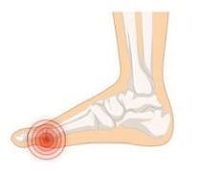
such as the knees, ankles and especially the base of the big toe).
Why is treatment for gout so important?
How is
gout treated?
The kidneys help filter uric acid, which is then excreted from our bodies
through urine.
When the kidneys are unable to filter or process uric acid levels at the same
rate as they are created, this can cause high levels of uric acid to remain in
the bloodstream.
Genetics play a significant role in those at risk for gout.
Even if two people have the exact same diet and eating habits, one person could
have higher levels of uric acid in their bloodstream and be at increased risk of
developing gout.
Uric acid crystals are usually found under the skin and form hard, chalky white
lumps.
When present, these crystal deposits (tophae) can usually be seen around the
ears and around the extensor tendons, which are found in the hands and feet.
Uric acid crystals in the joints can be responsible for gout attacks.
Attacks are often triggered by the immune system, which responds to the uric
acid crystals that have formed in the joints and soft tissues.
When immune cells enter the joint to try to eliminate the uric acid crystal,
inflammation, redness, pain and swelling will occur, causing what is known as a
gout attack.
Many people will have no idea they have gout before the first attack occurs.
Other risk factors include infection, a sharp increase in uric acid levels in
the bloodstream, for example after a high-protein meal, a night of drinking
alcohol (especially beer), or a period of dehydration.
Gout attacks tend to increase in duration and frequency without treatment and
can even become chronic.
The continued presence of uric acid crystals in and around the joint can lead to
destruction of the joint and the soft tissues around it.
Fortunately, with proper medical care and treatment, few patients progress to
this advanced stage.
Most people living with chronic gout can control the condition with medication.
Lifestyle changes are an important part of treatment and can help prevent and
manage flare-ups.
Early recognition and treatment can reduce the chance of permanent joint damage
and the number and severity of attacks.
Treatment of gout consists of three main steps:
Step
2:
Reducing uric acid levels in the bloodstream.
Step
3:
Prophylactic medication to reduce uric acid.
During an attack, the joint needs rest, elevation of the limb, and ice therapy. It is important to start medication early (in consultation with your doctor). Finally, drink plenty of water and fluids and avoid alcohol and sugary drinks.
