 OSTEOPOROSIS
What is
osteoporosis? 'Bone is constantly being renewed
through a natural process in which new bone cells replace old bone cells.
However, as we age, this process becomes less efficient, resulting in bone
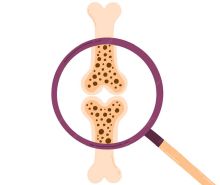
loss.' Osteoporosis is a bone disease in
which bone loss occurs more rapidly than normal, causing bones to become very
thin and weak over time. While osteoporosis is most common among older people,
it can affect people of all ages. When bones are severely weakened by
osteoporosis, a simple movement such as bending over to lift a light weight or a
minor trauma such as a fall from a low height can lead to a fracture. The most
common sites for these fractures include the wrist, shoulder, spine and hip.
Risk Factors for Osteoporosis
Many factors play a role in the development of osteoporosis, and the more factors there are, the greater the risk of developing osteoporosis. Since bone loss occurs without symptoms, a bone density test is required to determine if osteoporosis is present.
It may be done in the following cases if risk factors are present:
Adults < 50 years of age:
• Fragility fracture (bone break as a result of a minor accident)
• Long-term cortisone use
• Premature menopause (< 45 years)
• Disorders associated with rapid bone loss and/or fracture, such as rheumatoid arthritis
Adults > 50 years of age:
• Age 65 years and older
• Menopause
• Fragility fracture (bone break as a result of a minor accident)
• Long-term cortisone use
• Family history of hip fracture
• Spinal fracture or low bone mass
• Smoking
• High alcohol intake (≥ 3 units per day on a consistent basis)
• Low body weight (less than 60 kg) or significant weight loss
Reducing the risk of osteoporosis
Implementing a healthy lifestyle can prevent, delay, or reduce bone loss. Assessing your risk for osteoporosis and related fractures can help identify lifestyle factors that can be modified. Basic bone health for all individuals includes regular weight-bearing exercise, as well as adequate vitamin and mineral intake.
Exercise/Physical Activity
Regular aerobic weight-bearing exercise is beneficial for bone growth and maintenance. Balance-focused exercises are beneficial for individuals at risk of falling.
Vitamins and Minerals / Calcium
A diet rich in calcium is essential for healthy bone growth. Good sources of calcium include dairy products (such as milk, cheese, and yogurt), fish products that contain bones (such as canned salmon and sardines), and calcium-fortified beverages, such as soy milk or orange juice. Other food sources of calcium include leafy greens and legumes or chickpeas. For people who cannot get enough calcium through their diet, calcium supplements are often recommended.
Vitamin D
Vitamin D is also essential for bone development because it supports the body's ability to absorb calcium. It can be produced in the skin after exposure to ultraviolet (UVB) rays in sunlight. However, many factors such as winter weather, sunscreen use, darker skin tone, older age, and extensive clothing coverage can reduce the amount of vitamin D our skin produces.
Drug treatment
A variety of medications are available to treat osteoporosis. These include:
• antiresorptive agents, which slow bone loss
• bone-forming therapies, which help build bone
Preventing falls
Preventing falls and fractures is a major concern. Some tips to reduce your risk include:
• regular weight-bearing, balance, and strengthening exercises
• medical evaluation of medications that may cause dizziness or drowsiness
• regular vision screening
• creating a safe home (for example, removing carpets and using non-slip shower mats)
