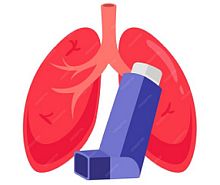
 BRONCHIAL ASTHMA
What is asthma?
'Asthma is a common lung condition that causes occasional difficulty breathing.'
It affects people of all ages and often begins in childhood, although it can also first develop in adults. There is currently no cure, but there are simple treatments that can help keep symptoms under control so that there is no significant impact on daily life.
Risk Factors
Longitudinal studies indicate that susceptibility to childhood asthma is determined during fetal development and in the first three to five years of life. A number of potential risk factors have been suggested for the development of asthma, including:
 Family
history of allergies and allergic disorders (including asthma and eczema)
Family
history of allergies and allergic disorders (including asthma and eczema)
High
exposure of sensitive children to airborne allergens (pets, dust mites, mold) in
the first years of life
Exposure
to tobacco smoke, including exposure in utero
Frequent
respiratory infections early in life
Low
birth weight and respiratory distress syndrome (RDS)
What are the common triggers for asthma attacks?
Asthma is a lung disease that makes breathing difficult. It causes inflammation or swelling of the airways - the tubes that carry air to the lungs. This swelling can cause wheezing, coughing, shortness of breath and chest tightness. Being around certain things can cause or 'trigger' asthma symptoms. An asthma trigger is something that causes the airways to swell and narrow, making breathing difficult. An asthma trigger can be an allergen or irritant. An allergen is something that causes an allergic reaction in the body. Some examples of allergens include:
pets
(cats, dogs, rabbits)
dust
mites
pollen
physical
exercise
air
pollution
certain
medicines
smoking
occupational
exposure to substances
What are the signs and symptoms of asthma?
People with asthma usually have obvious symptoms. These signs and symptoms are quite similar to symptoms of a respiratory infection such as:
Chest
tightness, pain or pressure
Cough
(especially at night)
Shortness
of breath
Whistling
With asthma, not all of these symptoms may be present with each exacerbation. There may be different symptoms and signs at different times with chronic asthma. Also, symptoms may change between asthma attacks.
Management and Treatment
What treatment options are there?
Bronchodilators:
Relax the muscles around the airways. Relaxed muscles allow the airways to move
air and mucus to move more easily through the airways. These medicines relieve
symptoms when they occur and are used for intermittent and chronic asthma.
Anti-inflammatory
drugs:: Reduce inflammation and mucus production in the airways. They
facilitate the entry and exit of air from the lungs. They can be taken daily to
control or prevent symptoms of chronic asthma.
Biologic
therapies: Used for severe asthma when symptoms persist despite appropriate
inhaled therapy.
Prevention
For people with asthma, having a management plan is the best way to prevent symptoms. An asthma management plan is something you and your doctor have developed to help you control your asthma.
1. Know your asthma triggers and minimize contact with them.
2. Take your asthma medications as prescribed.
3. Monitor your asthma and recognize when it may be getting worse.
4. Learn what to do when your asthma gets worse.