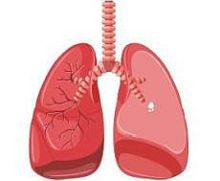
 CHRONIC OBSTRUCTIVE PULMONARY DISEASE
What is
chronic obstructive pulmonary disease?
'Chronic
obstructive pulmonary disease (COPD) is a chronic disease characterized by
shortness of breath, cough, and sputum production.'
While symptoms of the disease do not usually appear in people under the age of
55, changes in the lung begin many years earlier.
COPD is an umbrella term for a group of diseases that develop slowly over a
period of years and include chronic bronchitis and emphysema.
Increasing severity of the disease is associated with more frequent
exacerbations, further reductions in airflow, and premature death.
As the disease progresses, shortness of breath limits a person's activity levels
and reduces their quality of life.
Several modifiable risk factors contribute to COPD.
In 80% to 90% of cases, smoking is the main underlying cause.
The contribution of primary smoking is very clear, and exposure to passive
smoking probably also plays an important, although less well-defined, role.
Another important risk factor is occupational exposure to dusts (e.g., coal
dust, grain dust) and certain fumes.
Outdoor air pollution is associated with increased symptoms among sufferers,
including shortness of breath.
Recurrent childhood respiratory tract infections and childhood exposure to
passive smoking lead to reduced levels of respiratory function, which may
predispose a person to the disease.
Symptoms
Symptoms often do not appear until extensive damage to the lungs has occurred
and worsen over time, especially if smoking or other irritant exposure continues.
Symptoms may include:
 Difficulty breathing, especially during strenuous physical activity
Wheezing or whistling when breathing
A persistent cough that may produce a lot of mucus.
The mucus may be clear, white, yellow, or greenish
Chest tightness or heaviness
Lack of energy or feeling very tired
Frequent lung infections
Unexplained weight loss.
This may occur as the condition worsens
Swelling in the ankles or feet
Falls can last from several days to weeks and can be triggered by factors such
as odors, cold air, air pollution, colds, or infections.
Symptoms of an exacerbation may include:
Difficulty breathing
Chest tightness
Cough
More mucus or changes in the color or thickness of mucus
Fever
COPD is
preventable and treatable
The good news about COPD is that it is almost completely preventable.
Quitting smoking not only reduces your risk of developing COPD in the first
place, but it also helps slow the disease
