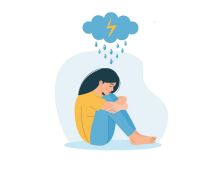
 DEPRESSION
What is depression?
'Depression is a mood disorder that causes a persistent feeling of
sadness and loss of interest in things and activities you once enjoyed.'
It can also cause difficulty with thinking, memory, eating, and sleeping.
Who does depression affect;
Depression can affect anyone -
including children and adults. Women are more likely to have depression than
men. Having certain risk factors makes it more likely
 Neurodegenerative diseases
(such as Alzheimer's and Parkinson's)
Neurodegenerative diseases
(such as Alzheimer's and Parkinson's)
Stroke
Multiple sclerosis
Epilepsy
Cancer
Macular degeneration
Chronic pain
Signs and symptoms
Symptoms of depression may vary slightly depending on the type and can range from mild to severe. In general, symptoms include:
Feeling sad, hopeless, or
anxious. (in adolescence, irritability may be present instead of sadness)
Decreased enjoyment of
situations that used to bring joy
Frequent irritability or
frustration for no reason
Increased or decreased
appetite resulting in weight gain or loss
Low energy or fatigue
Difficulty concentrating or
making decisions
Physical problems such as
headaches, stomach pain, or sexual dysfunction
Thoughts of self-harm or
suicide
Causes
The exact cause of depression is not known. Several factors are thought to contribute to its development, including:
Brain chemistry:
An imbalance of neurotransmitters, including
serotonin and dopamine, contributes to the development of depression.
Genetics:
If
Stressful life events:
Difficult experiences, such as the death of a
loved one, trauma, divorce, isolation, and lack of support, can trigger
depression.
Medical conditions:
Chronic pain and chronic conditions such as
diabetes can lead to depression.
Medications:
Some medications can cause depression as a side
effect
Substance use, including alcohol, can also cause depression or make it
worse.
How is depression diagnosed;
A diagnosis of depression is made based on a detailed understanding of symptoms, medical history, and mental health history.
Five symptoms of depression must be present every day, almost all day, for at least two weeks.
Blood tests are often needed to determine if an underlying medical condition is causing depressive symptoms.
Management and Treatment
Depression is one of the most treatable mental health conditions. About 80% to 90% of people with depression who seek treatment eventually respond well to treatment.
Treatment options include:
Psychotherapy:
Involves talking with a mental health
professional. The therapist helps identify and change unhealthy feelings,
thoughts, and behaviors. Some people continue treatment for several months or
even years
Medication:
Prescription medications called
antidepressants can help change the brain chemistry that causes depression.
There are several different types of antidepressants, and it can take time to
find the right medication. Some antidepressants have side effects, which often
improve over time.
Complementary medicine:
People with mild depression or ongoing symptoms
can improve their well-being with complementary therapies such as acupuncture,
massage, and hypnosis.
Important help in improving symptoms of depression include
:
Regular exercise
Quality sleep
A healthy diet
Avoiding alcohol
